

Helping Rescue Dogs Successfully Transition Into Their New Homes
Welcoming a rescue dog into your home is exciting, rewarding, and sometimes overwhelming. Many rescue dogs are adjusting to entirely new environments, routines, people, and experiences. Patience, structure, and understanding can make all the difference in helping them feel safe and successful.
Whether you are adopting or fostering, this guide is designed to help support a smooth transition for both you and your new companion.
The Decompression Process
Many rescue dogs come from stressful shelter environments, boarding situations, or unstable living conditions.
Decompression allows dogs to:
feel safe
lower stress levels
build trust
adjust gradually
Helpful Decompression Tips
Keep the environment calm
Limit visitors initially
Avoid overstimulation
Provide a quiet resting space
Use consistent feeding and potty schedules
Allow rest and sleep
Keep walks structured and calm

The 3-3-3 Rule
Many rescue dogs need time to decompress and adjust after leaving a shelter or transport environment.
First 3 Days
Your dog may feel overwhelmed, nervous, shut down, or overstimulated.
You may notice:
Sleeping a lot
Hiding
Accidents indoors
Limited appetite
Fear or anxiety
Excessive excitement
Barking or pacing
During This Time:
Keep routines calm and predictable
Avoid overwhelming outings
Give them space to decompress
Keep introductions slow
Focus on safety and consistency
First 3 Weeks
Your dog begins learning routines and starts feeling safer.
You may notice:
Personality beginning to emerge
Increased energy
Testing boundaries
Attachment forming
Improved appetite and confidence
During This Time:
Continue structure and consistency
Introduce training slowly
Maintain routines
Avoid dog parks or chaotic environments early on
Continue gradual introductions to people and pets

First 3 Months
Your dog begins settling into their new life and building trust.
You may notice:
Stronger bonding
Improved confidence
Reduced anxiety
Better understanding of expectations
Full personality emerging
Remember:
Healing and adjustment take time. Every dog moves at their own pace.
Introducing New Dogs to Resident Pets
Slow introductions help prevent stress and conflict.
Helpful Tips for Dog Introductions
Start with neutral territory if possible
Use parallel walks
Keep dogs leashed initially
Allow gradual interaction
Separate during meals and high-value treats
Supervise all early interactions
Give each pet their own safe space
Remember
Not all dogs become instant best friends. Slow, positive introductions are key.

Helping Your Dog Feel Safe
Create Structure
Dogs thrive on predictable routines.
Try to keep:
feeding times
potty breaks
walks
bedtime
consistent each day.
Use Positive Reinforcement
Reward desired behaviors with:
praise
treats
toys
affection
Avoid punishment-based corrections during adjustment periods.
Give Them Time
Many rescue dogs have experienced trauma, neglect, abandonment, or chronic stress.
Trust is built through:
patience
consistency
safety
compassion
Common Adjustment Behaviors
It is normal for rescue dogs to experience:
accidents indoors
nervousness
whining
pacing
fearfulness
clinginess
barking
appetite changes
These behaviors often improve as dogs settle into routine and safety.
Recommended Supplies for New Dogs
Crate or safe space
Food and water bowls
Leash and collar
ID tags
Slow feeder bowls
Comfortable bed
Enrichment toys
Treats and chews
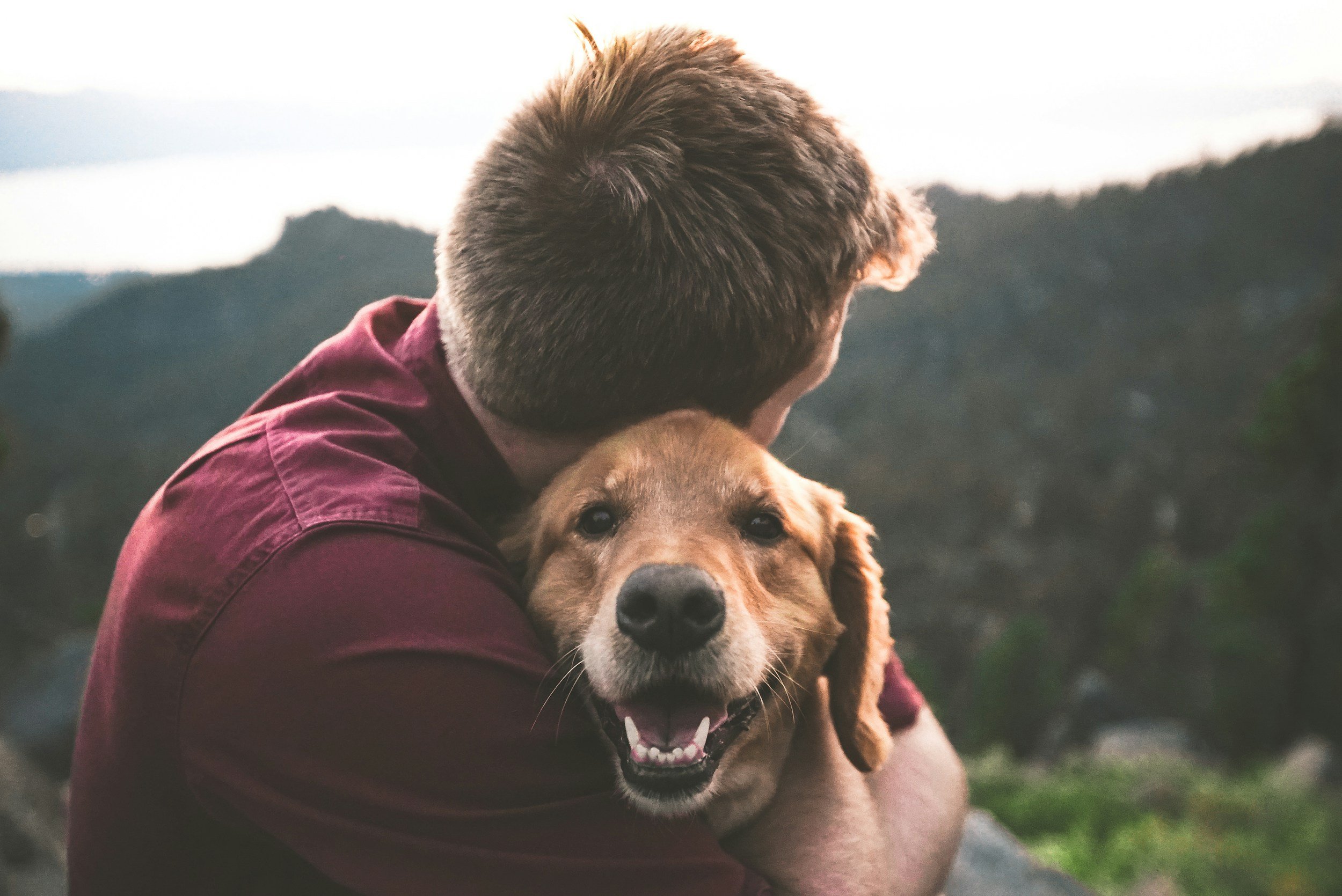
Remember
Every rescue dog deserves patience, compassion, and time to heal.
Thank you for helping provide safety, love, and second chances to dogs in need.