Responsible Pet Care
The Importance of Spaying and Neutering
Every year, millions of dogs and cats enter shelters across the United States, and many never find homes. Overpopulation continues to be one of the leading causes of overcrowded shelters and euthanasia.
Spaying and neutering helps:
Prevent unwanted litters
Reduce overcrowding in shelters and rescues
Lower euthanasia rates
Reduce roaming and some behavioral concerns
Decrease the risk of certain cancers and health conditions
Improve overall long-term health
One unplanned litter can quickly lead to generations of animals needing homes. Choosing to spay or neuter your pet is one of the most important ways you can help reduce the homeless pet crisis.
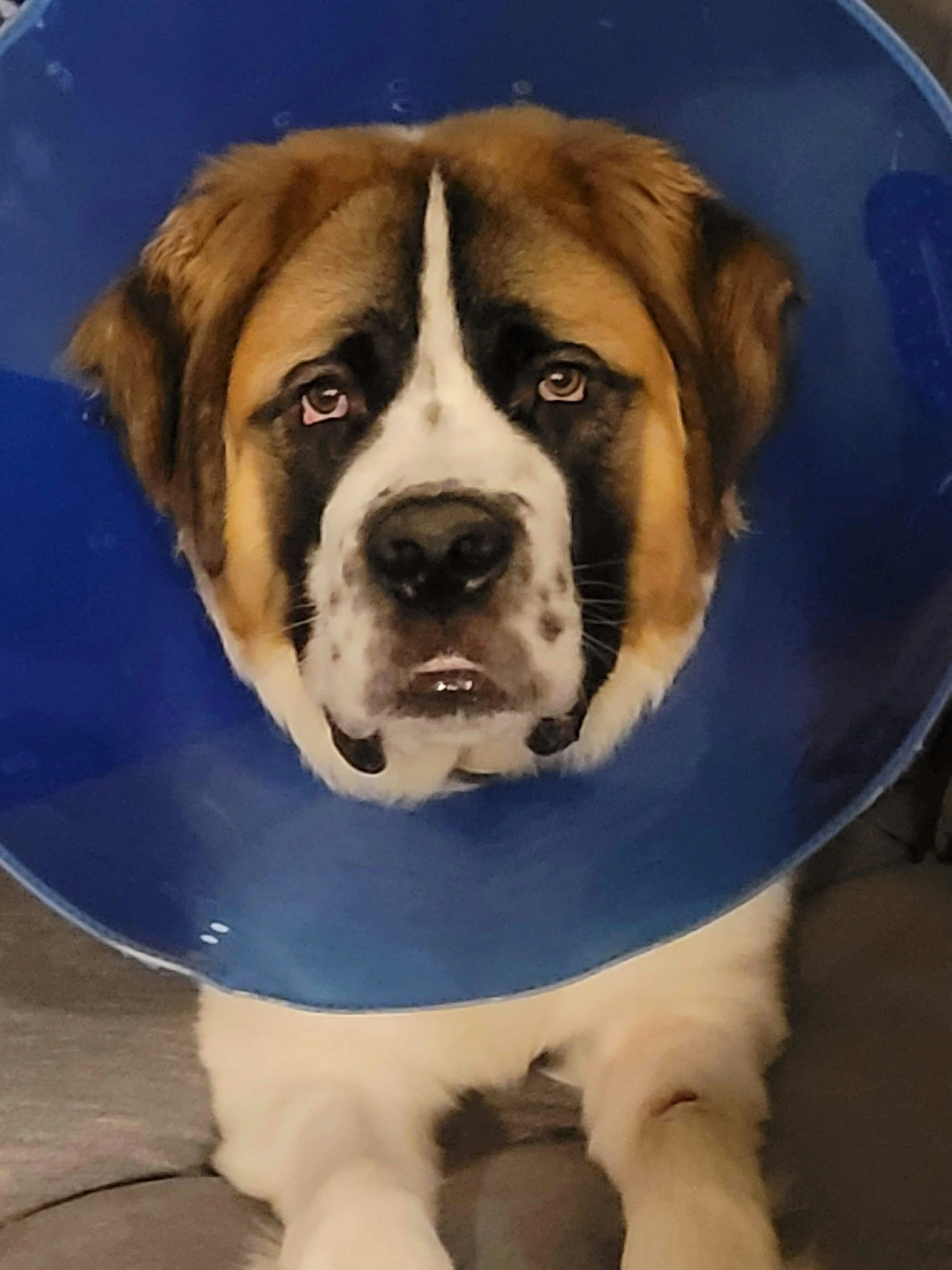
At Loving Paws of the South, all adoptable animals are spayed or neutered prior to adoption whenever medically appropriate.
Loving a pet means more than providing food and shelter. Responsible pet care includes preventative veterinary care, proper identification, training, nutrition, and making decisions that help reduce the growing number of homeless animals entering shelters every day. Small steps taken by pet owners can make a life-changing difference for animals and the communities around them.
The Importance of Vaccinations
Vaccinations protect pets from serious and potentially life-threatening illnesses. Many diseases can spread quickly among animals and some can also pose risks to humans.
Core vaccines help protect against illnesses such as:
Rabies
Parvovirus
Distemper
Adenovirus
Vaccinating your pet helps:
Protect their health
Prevent the spread of disease
Reduce costly emergency veterinary treatment
Keep other pets and people safe
Puppies require a series of vaccines during early development, followed by routine boosters as recommended by your veterinarian.
Heartworm Prevention Matters
Heartworm disease is a serious and potentially fatal condition spread through mosquito bites. Once infected, heartworms live in the heart, lungs, and blood vessels of pets, causing damage over time.
Heartworm prevention is:
Simple
Affordable
Much safer than treatment
Without prevention, pets may face:
Lung disease
Heart failure
Lasting organ damage
Expensive medical treatment
Many people believe heartworm only exists in southern states, but it has been identified throughout the United States. Prevention should be maintained year-round unless otherwise directed by your veterinarian.
Routine Veterinary Care Saves Lives
Regular veterinary visits help identify medical concerns early and ensure pets stay healthy throughout every stage of life.
Routine care includes:
Annual wellness exams
Vaccinations
Heartworm testing
Flea and tick prevention
Dental care
Proper nutrition
Weight management
Preventative care is often far less expensive than emergency treatment and helps pets live longer, healthier lives.

All of our dogs receive necessary medical care, including spay/neuter services, prior to adoption. Each adopted pet will go home up to date on vaccinations and with a rabies certificate.
We encourage adopters to continue routine veterinary care, vaccinations, and monthly heartworm prevention to help keep their newest family member healthy and protected. Preventative care not only reduces future medical concerns, but also helps your pet live a long, happy life.
Being Part of the Solution
Animal rescue does not end with adoption. Responsible ownership, education, and preventative care all play a role in reducing suffering and helping pets remain safely in their homes.
Together, we can:
Reduce shelter overcrowding
Prevent unnecessary suffering
Promote responsible ownership
Give more animals the opportunity for a safe and loving future
Every responsible decision helps save lives.